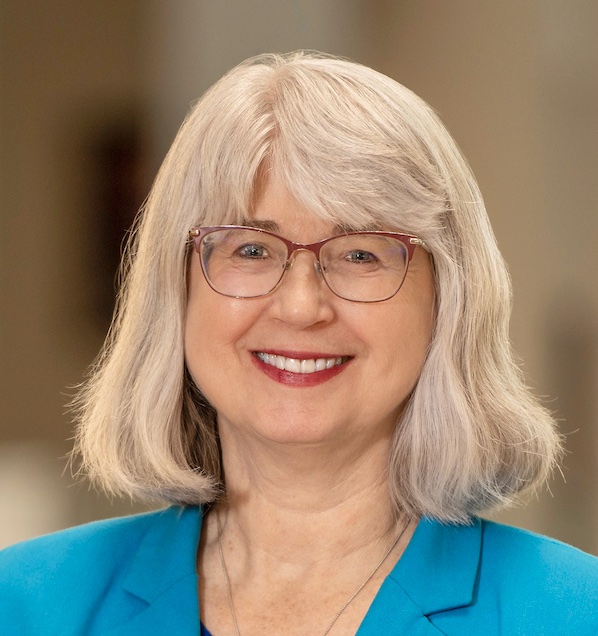
By Hazel Corcoran
- Executive Director Succession
- Conference
- Upcoming JEDDI (Justice, Equity, Diversity, Decolonization, and Inclusion) webinar
- Common Good Capital program
- Capital gains tax exemption for sales of businesses to worker co-ops
As I write this, CWCF is in the process of searching for a new Co-Executive Director. This search comes as a significant change for the organization, as I prepare to retire from the role I’ve held for the past 30 years and after having worked with CWCF for 35 years. It also comes amidst a rapidly changing world: socially, environmentally, and technologically. The new Co-ED will have the opportunity — and the challenge — of demonstrating the vital role the worker co-op movement can play in these uncertain times. While deciding to retire was an emotional decision, I remain committed to the values and vision of CWCF and the co-operative movement and feel confident I will be leaving the position in good hands. I look forward to working with the new Co-ED once they’re hired, during the remainder of my tenure. The application process closes on April 17, 2026; I encourage anyone with interest to apply.
A highlight of my last year in this role is sure to be CWCF’s annual Conference, taking place virtually this year in November. While this gathering may result in fewer of the connections made at our in-person Conferences, the fact that it will be free means greater accessibility for our members and others interested in attending. Further, we will again seek to support regional mixers in cities and towns, which will enable connections and networking in person for many. The Conference planning committee is looking for volunteers to help shape topics around our theme for this event, which would just require attendance at a couple of virtual meetings. Please contact CWCF Executive Assistant Chloe Williams if you’re interested in participating.
In recent years, CWCF has shifted our focus so that we are governed by the values of JEDDI (Justice, Equity, Diversity, Decolonization, and Inclusion). While there remains much work to be done on these fronts, I’m proud to say this is not just language for us. It is part of how we make decisions, how we build relationships, and who we centre in our work. To this end, we are co-hosting a workshop on April 21 in partnership with the University of New Brunswick and the Community Advisory Circle on Supporting Justice, Equity, Diversity, Decolonization & Inclusion in the Worker Co‑op Movement. Designed to strengthen racial justice and inclusion across the Canadian worker co‑op movement, this powerful and practical workshop will share key findings from new research on JEDDI and introduce tools created to support equity‑denied groups in building and sustaining worker co‑ops.
Another significant development during my time with CWCF has been the growth and more recently, rebranding of our Common Good Capital Registered Plans Program. The program, which enables eligible co-ops, non-profits and community investment funds to capitalize their enterprises with funds held in RRSPs and TFSAs, is an important part of CWCF’s work. We want to ensure it remains strong going forward. To this end, we recently received an expansion analysis and promotion plan from Propel Impact consulting fellows, a group of six interns who worked on this analysis over the last couple of months. Their analysis and recommendations are enormously helpful, and we will be implementing them and promoting the program in the coming months.
Finally, I am pleased to share that the federal government has enacted a change to legislation to exempt the sale of businesses to worker co-ops from capital gains tax. This was announced previously, but finally enacted on March 26 with the passage of the Budget Implementation Bill. This measure is currently set to expire on December 31, 2026, and CWCF is working along with Co-operatives and Mutuals Canada to make it permanent. This long-sought change recognizes the potential worker co-ops have to address the small business succession crisis Canada faces.